
About Our Drought-Tolerant Landscape Design Service in Los Angeles
Have you ever looked at your summer water bill and wondered if a green yard is really worth the cost?
Many homeowners feel stuck between paying high utility rates and settling for a barren patch of dirt.
We understand that frustration completely.
Ridgeline Outdoor Living is a licensed Los Angeles landscape contractor with over 20 years of experience. Our dedicated design-build crew based in Pasadena specializes in drought-tolerant gardens that cut water use and raise property value.
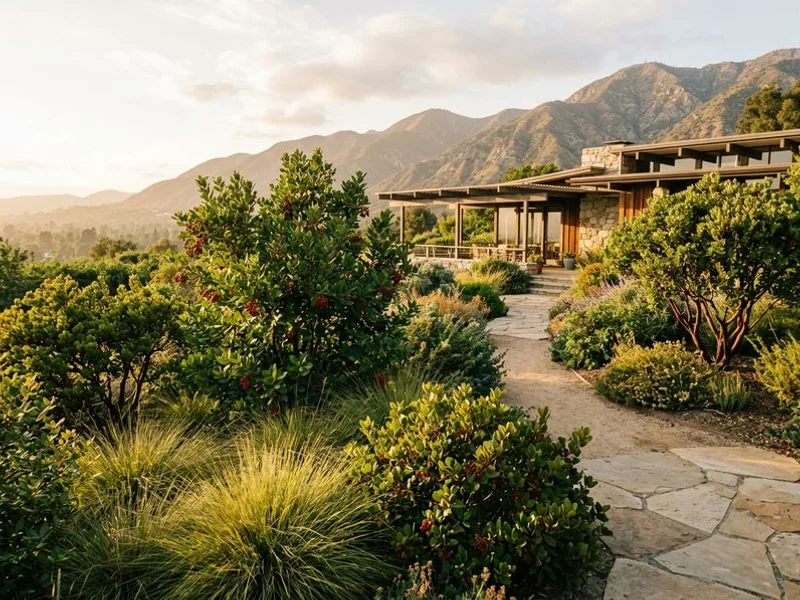
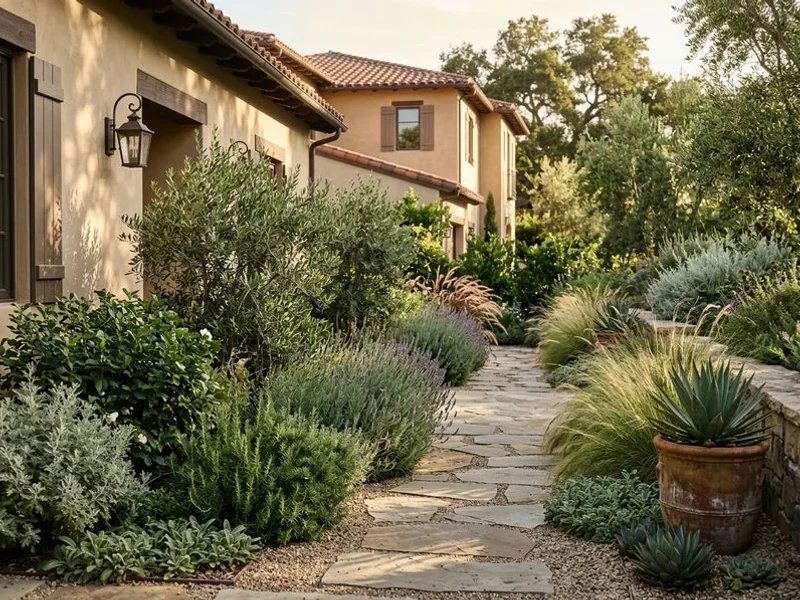
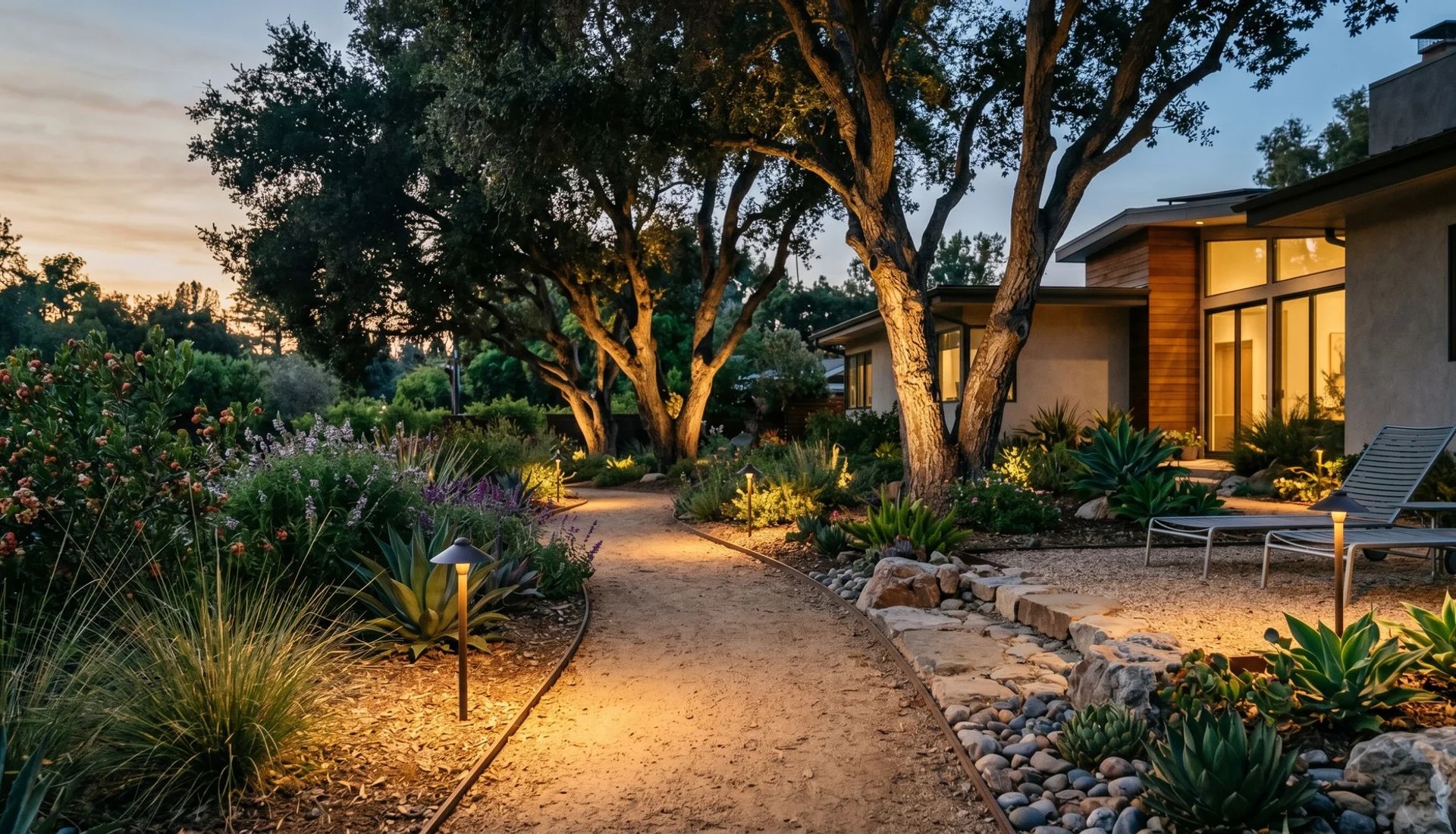
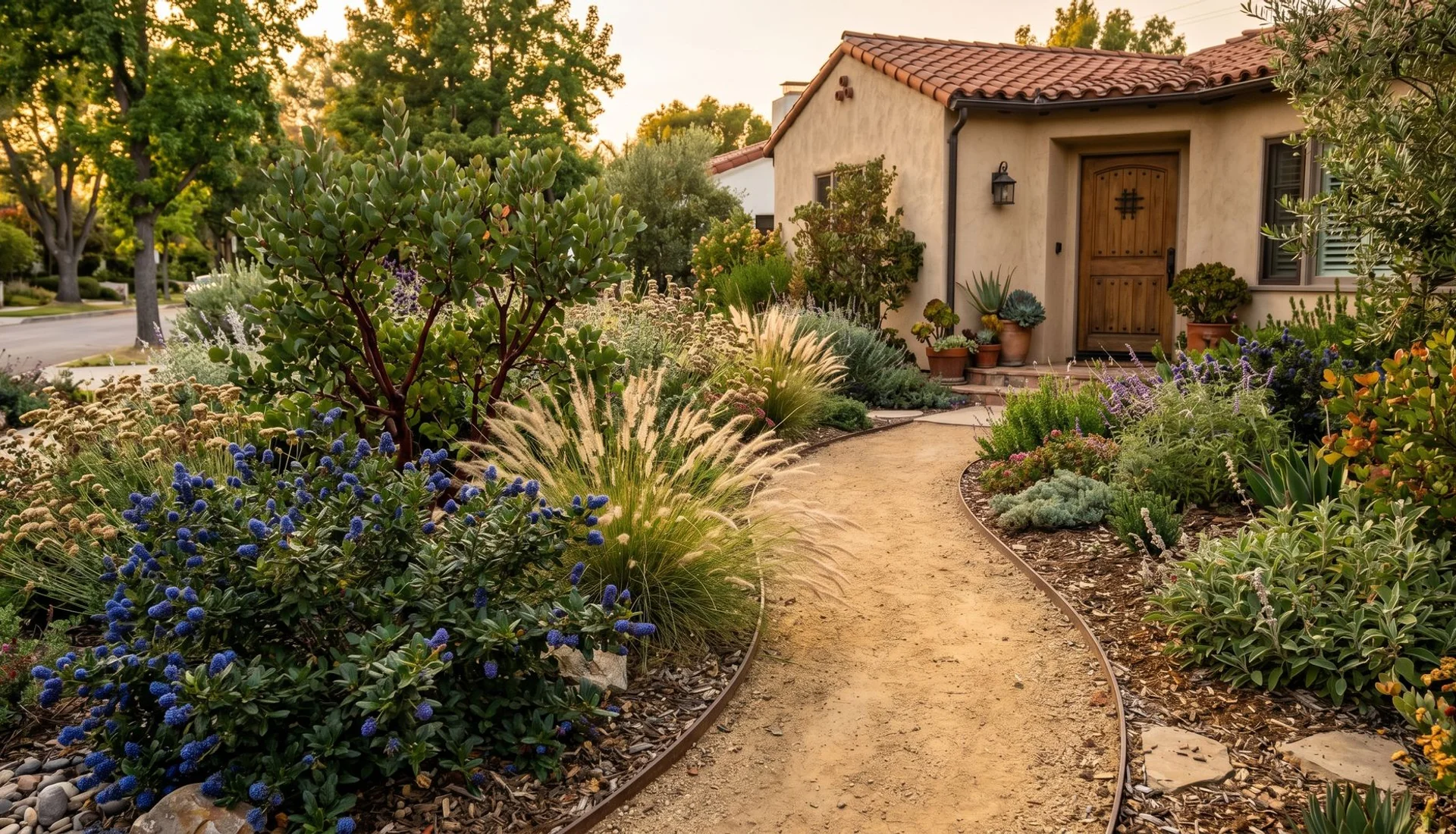
Our team transforms yards with a vibrant, hydrozoned planting palette of California natives, Mediterranean shrubs, and succulents.
These specific plants thrive in the Los Angeles climate while bringing year-round texture and beautiful blooms to your property.
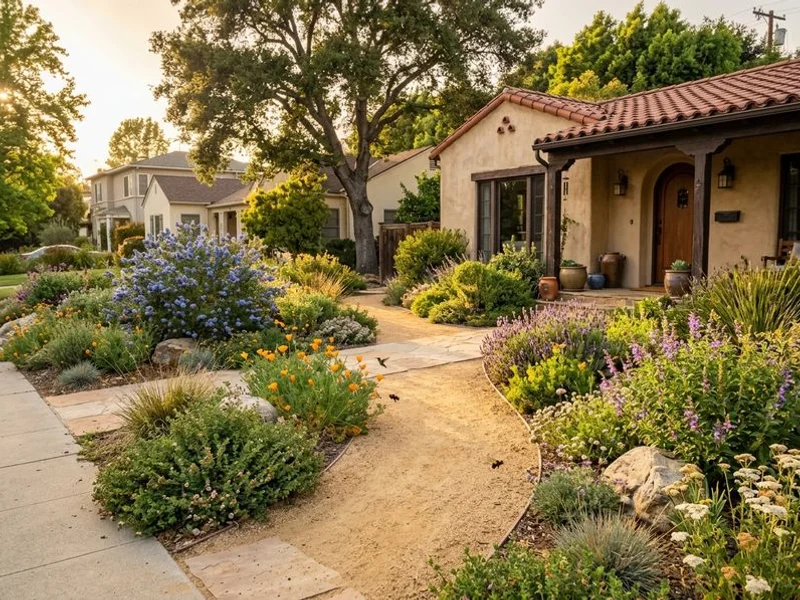
We integrate decomposed granite paths, boulders, and mulch to make the space feel like a natural retreat.
Every plant family gets paired with highly efficient drip irrigation to maximize growth and minimize waste.
Whether you live in a Craftsman bungalow in landscaping in Pasadena, a Spanish Revival in South Pasadena, or a mid-century modern in Altadena, your yard can look incredible without wasting water.
We invite you to grab a cup of coffee and explore these steps together.
This simple guide will show you exactly how to approach drought-tolerant landscape design so your yard practically takes care of itself.
Planning for Three-Year Yard Maturity
The Ridgeline team designs for how a yard reads at year three, not just at install day. Correct plant spacing allows for natural fill-in over time. Soil amendment gives those young roots a real chance to anchor deep into the earth.
Our irrigation systems are engineered to taper off as native plants establish themselves. According to 2026 irrigation data, replacing a traditional timer with an EPA WaterSense certified smart controller like the Hunter Hydrawise cuts water use by up to 50%. This handy device uses predictive watering based on local weather forecasts, automatically skipping cycles before a rainstorm hits.
We also make sure the design respects the architecture of your specific home. A Trousdale modern layout demands a very different plant palette than a classic bungalow.
Choosing the Right California Natives
You will see the best results by grouping plants with similar water needs, a practice called hydrozoning. We highly recommend incorporating the California Lilac (Ceanothus). This stunning evergreen shrub requires almost no summer water once established and explodes with fragrant blue flowers every spring.
Our clients also love White Sage (Salvia apiana) for its architectural silver foliage and high drought tolerance. These localized choices create a gorgeous landscape that uses a fraction of the water a grass lawn requires. Here is a quick look at how a native yard compares to a standard lawn:
| Feature | Traditional Grass Lawn | Drought-Tolerant Native Yard |
|---|---|---|
| Water Usage | Extremely high (approx. 1 inch per week) | Very low (tapers off after year one) |
| Irrigation Type | Standard spray heads (50-75% efficient) | Subsurface drip lines (95-99% efficient) |
| Maintenance | Weekly mowing, heavy fertilizing | Occasional pruning, minimal upkeep |
| Rebate Eligibility | None | Up to $5/sq ft (LADWP 2026 rates) |
Soil Prep, Drainage, and LADWP Rebate Support
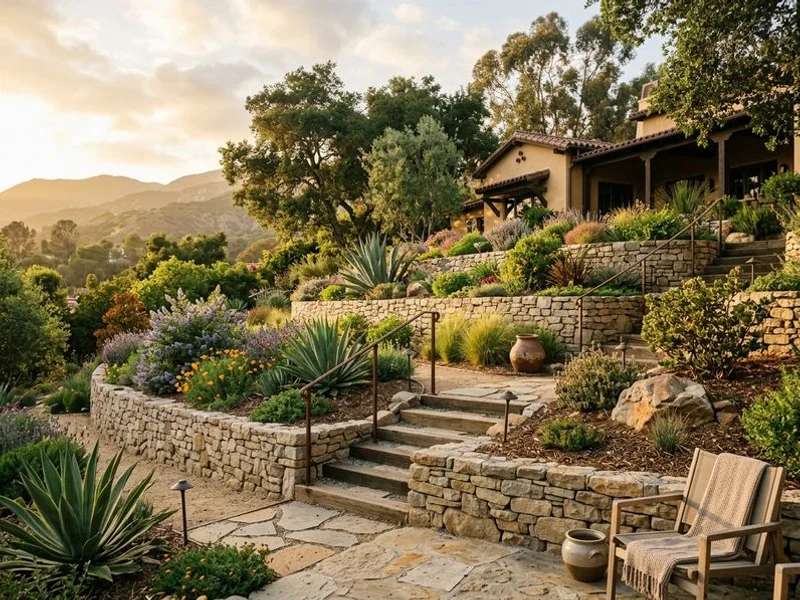
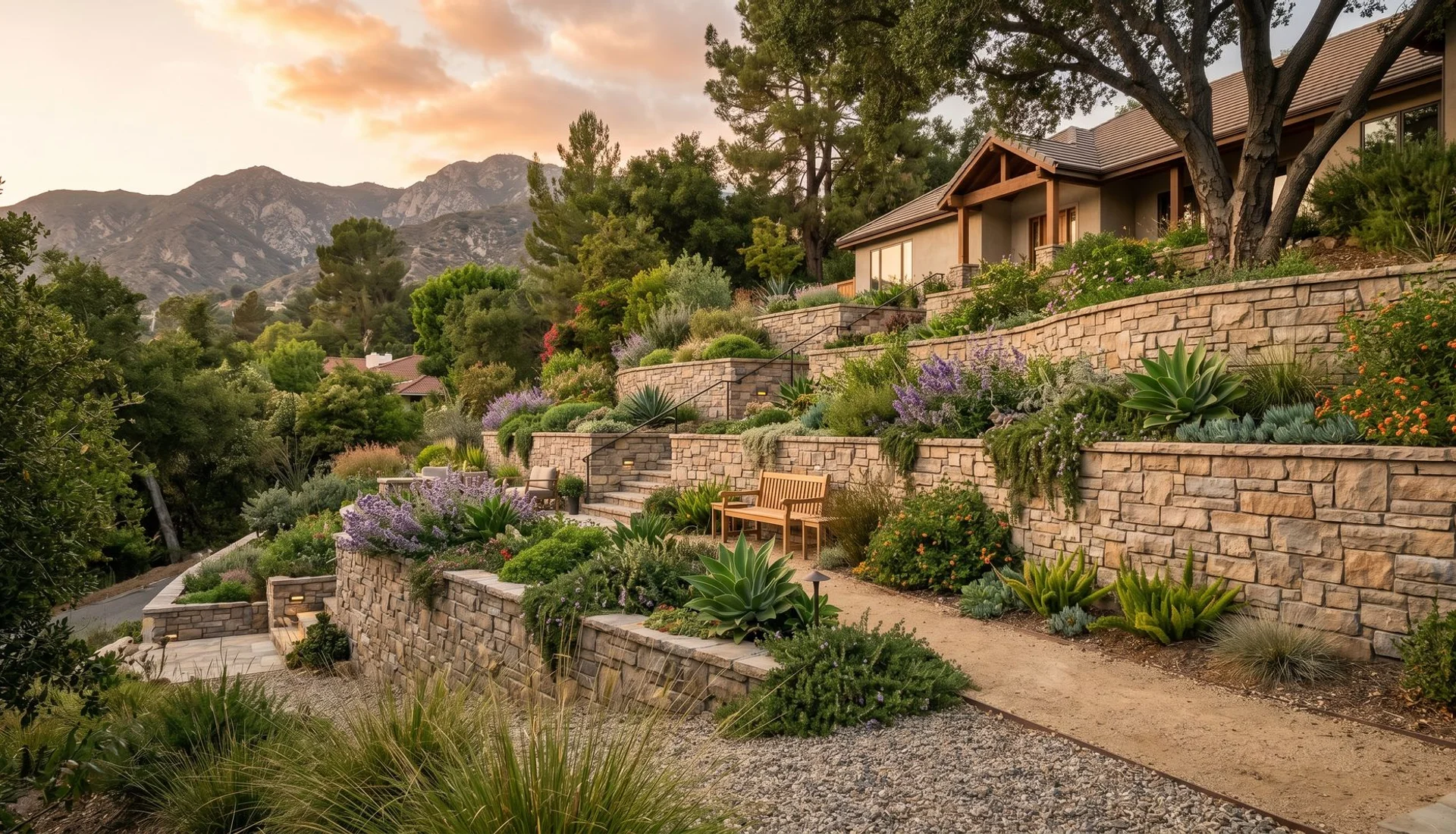
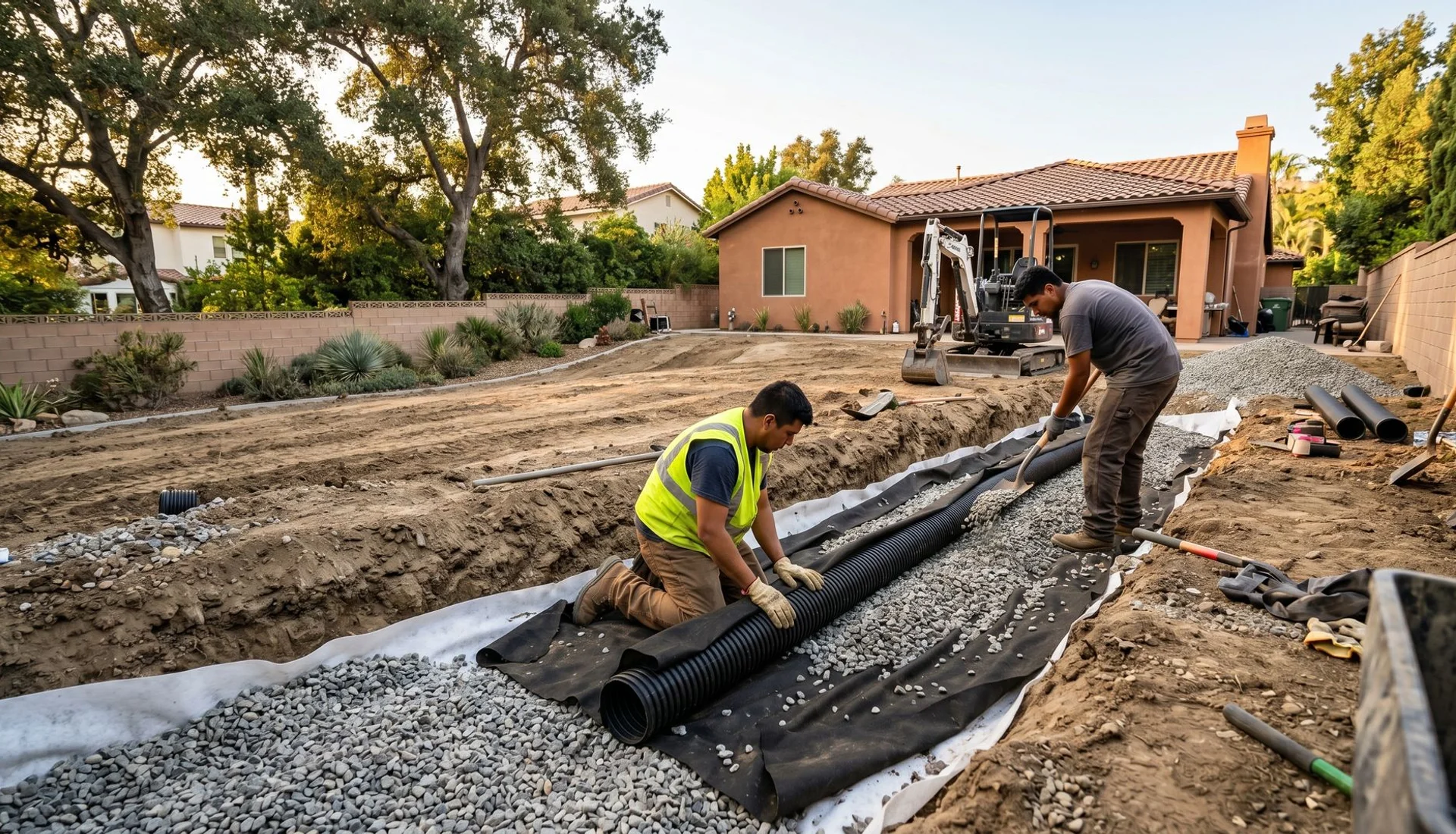
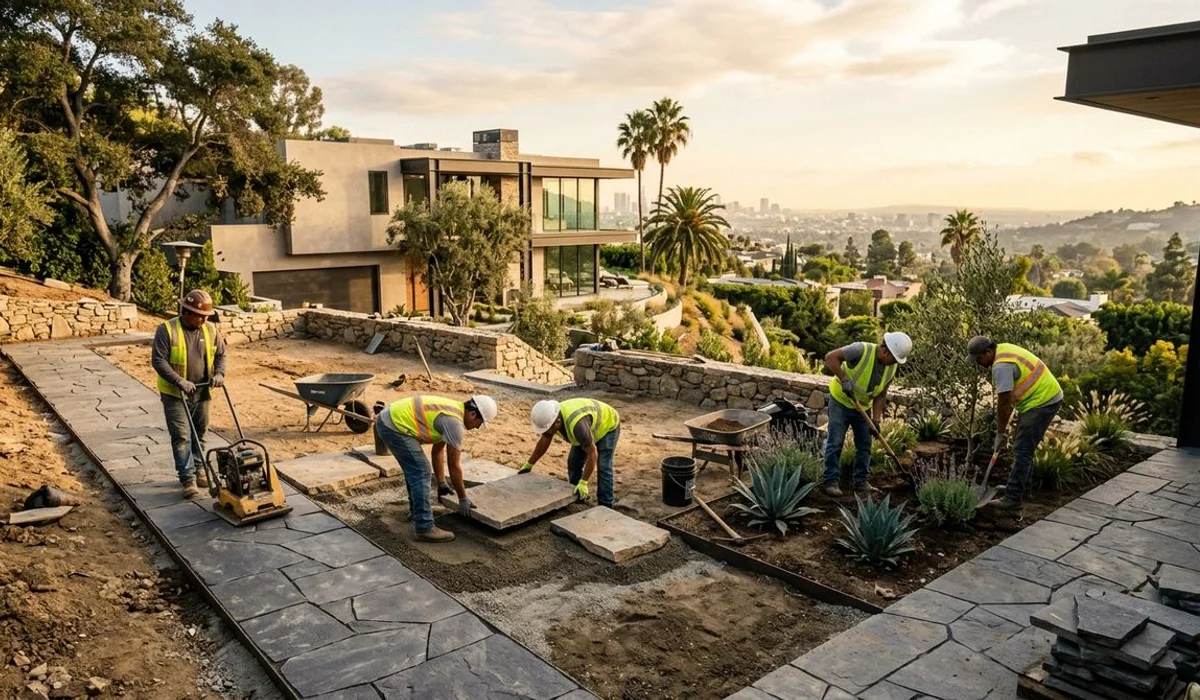
Beyond the planting, there is unglamorous work that decides whether a drought yard succeeds long-term. We handle the heavy lifting to ensure your property drains correctly and thrives for decades. Proper soil prep prevents runoff and helps roots access deep moisture, while hillside terracing provides critical structural support on sloped properties common across the San Gabriel Valley foothills.
Our team manages all the paperwork for the Los Angeles Department of Water and Power (LADWP) turf-replacement rebate. As of 2026, residential customers can receive a rebate of $5 per square foot for replacing traditional lawns with low-water landscapes. This excellent program covers up to $25,000 for qualifying single-family homes, significantly offsetting your initial installation costs.
We also offer a phased install plan for those who want to spread the budget over multiple seasons. The final result is a yard that costs less to run and looks better in year three than year one. This practical approach fits exactly how you actually use your property. You can avoid common landscaping mistakes by keeping a few pro-tips in mind:
- Test your soil first: Knowing your soil type helps determine the exact amendments needed for proper drainage.
- Don’t overwater new natives: It is tempting to soak new plants, but native roots can easily rot if the soil stays too wet.
- Apply a thick layer of mulch: Three inches of organic mulch keeps the soil cool and stops weeds from stealing moisture.
- Check rebate deadlines: Programs like the LADWP rebate have specific pre-approval requirements you must meet before starting the work.
Where Hardscape Meets Native Planting
For drought-tolerant work that crosses into engineered hardscape, coordination is everything. Terraced hillsides, retaining walls, and drainage on grade require careful planning. Ridgeline Outdoor Living pulls it all under one roof so the planting plan and the structural plan never fight each other.
Installing subsurface drip irrigation lines before laying a decomposed granite pathway prevents costly tear-outs later.
Subsurface drip systems run at 95% to 99% efficiency compared to traditional spray heads, delivering water straight to the root zone where it matters most.
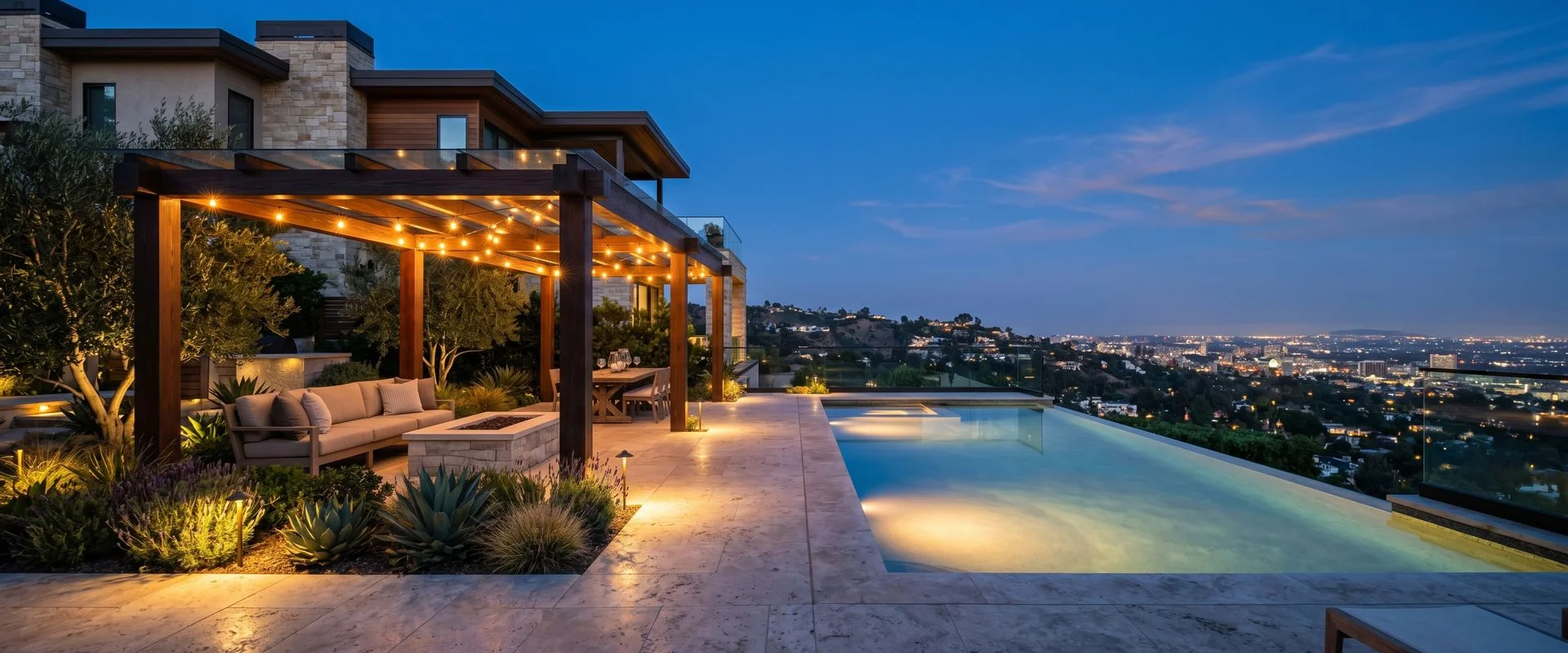
Our unified method means fewer headaches for you and a much faster completion timeline. You get a cohesive, beautiful outdoor living space built to withstand the hottest Southern California summers, from landscaping in Glendale to landscaping in Beverly Hills.
How We Compare
| Feature | Typical Landscaper | Ridgeline Outdoor Living |
|---|---|---|
| Design Process | Generic layout | Custom hydrozoned master plan |
| Rebate Support | Not included | Full LADWP/MWD paperwork filing |
| Warranty | Varies | Workmanship warranty on all projects |
| Post-Install Care | No follow-up | First-year establishment care plan |
Start Your LA Landscape Design Project
Switching to a drought-tolerant landscape design saves money, conserves water, and gives you a stunning outdoor space that requires minimal maintenance.
The Ridgeline team is ready to help you build a master plan that fits your exact property and budget. Contact us today to schedule a consultation and take the first step toward a beautiful, water-wise yard.
What's Included in Your Drought Landscape Project
- ●Master plan with hydrozoned planting design
- ●California native and Mediterranean plant palette
- ●Decomposed granite, boulders, and mulch finishing
- ●MWD / LADWP turf-replacement rebate support
- ●Drip irrigation integrated into the design
- ●Phased install option for larger projects
How We Handle Drought Landscape Projects
-
01 · On-Site Walk
We tour the property, listen to the lifestyle the yard needs to support, and discuss budget tier and rebate eligibility.
-
02 · Master Plan & Plant Palette
A scaled site plan with hydrozones, plant species, hardscape touchpoints, irrigation routing, and a phased install option if you want one.
-
03 · Install
Soil amendment, planting, drip, decomposed granite, mulch, boulders. Daily site cleanup and a dedicated project manager.
-
04 · Establishment Care
First-year drip schedule, replacement guarantee on planted material, and a maintenance plan so the design matures the way it was drawn.