

Landscape & Hardscape Design: A Pasadena Planning Guide
How to plan a complete landscape and hardscape design for your Pasadena home — from drought-tolerant softscape and California native plants to paver patios, retaining walls, and outdoor living.
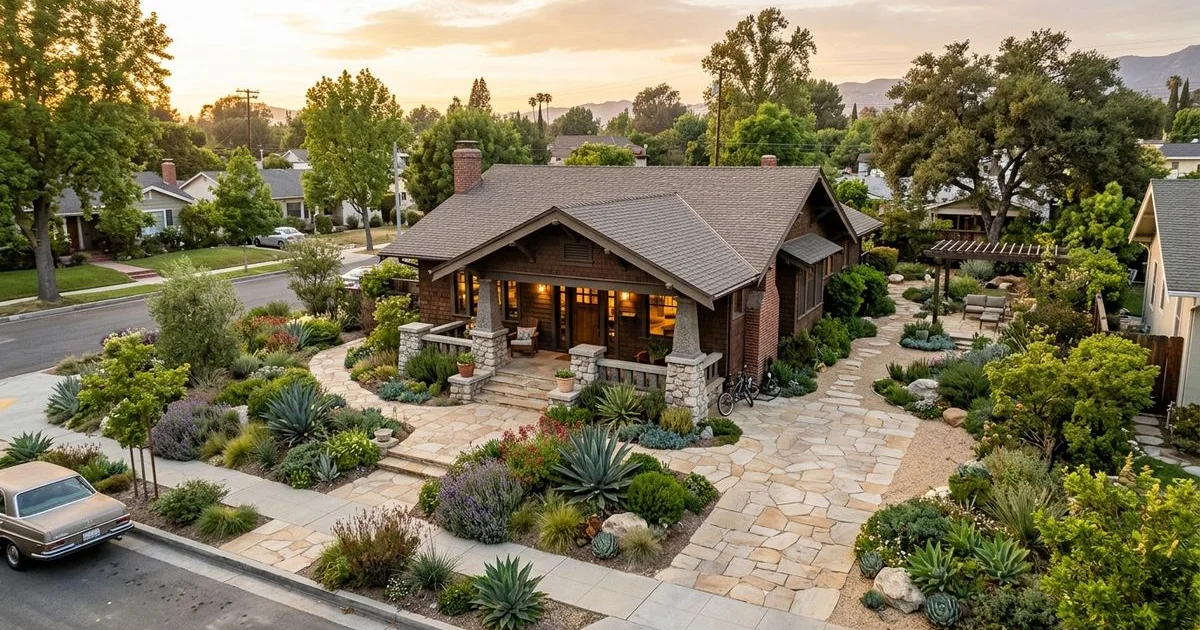
Our company, Ridgeline Outdoor Living, was founded with a simple mission to provide exceptional landscaping and hardscaping services that customers can truly rely on. You know how frustrating it is to invest in an outdoor space that never quite feels cohesive. Landscape and hardscape design must be planned together for a yard to truly work.
These dual elements define whether your property flows naturally or fights itself at every transition.
We will break down the specific differences between these features and explore practical ways to respond to local water regulations.
Softscape and Hardscape: What Each Term Means
Softscape is the living portion of your yard, including plants, trees, sod, and soil. Hardscape refers to the built, non-living surfaces like patios, walkways, retaining walls, and driveways.
Neither element works well alone, as the structural elements set the physical geometry while the plants provide texture and seasonal interest. A yard with only paving feels industrial. A property relying solely on plants often lacks clear circulation.
We cover the detailed differences of softscape vs hardscape and explain exactly what hardscape is in a separate guide. This foundational knowledge helps you make better decisions for your property layout.
| Feature Category | Description | Primary Function | Examples |
|---|---|---|---|
| Softscape | Living, horticultural elements | Aesthetics, cooling, soil health | Native shrubs, trees, sod, mulch |
| Hardscape | Built, non-living structures | Circulation, retention, gathering | Pavers, concrete, retaining walls |
The Softscape Side: Living Elements That Shape the Space
Softscape planning in Pasadena starts with managing water through drought-resilient plants, efficient irrigation, and strategic soil preparation. The living elements form the backbone of a vibrant, sustainable yard.
Our region is currently operating under a Level 2 Water Supply Shortage Plan, making outdoor water use a critical factor. Pasadena restricts outdoor watering to two days per week based on your address. You must water before 9 a.m. or after 6 p.m. to minimize evaporation.
Traditional turf lawns are expensive to maintain, often consuming up to 50,000 gallons of water per 1,000 square feet annually. A well-designed drought-tolerant landscaping plan can slash that water use to just 5,000 to 12,000 gallons per year.
We strongly recommend building your yard around California native plants and Mediterranean species. Excellent local choices include:
- Arctostaphylos ‘Howard McMinn’ Manzanita: Features stunning red bark and tolerates inland heat beautifully.
- Ceanothus (California Lilac): Provides vibrant blue spring blooms with minimal summer water needs.
- Purple Needlegrass: Adds sweeping texture and stabilizes soil on slopes.
Smart Grouping and Alternative Solutions
Grouping plants by their specific water needs is known as hydrozoning. This practice ensures that drought-tolerant natives do not receive the heavy watering required by thirsty annuals. Drip irrigation systems producing less than two gallons per hour are actually exempt from Pasadena’s strict watering days, providing a massive advantage.
High-traffic side yards or shaded spots under large trees are notoriously difficult for establishing new plants. High-quality artificial turf and sod provide excellent low-water alternatives for these specific challenge areas. Modern synthetic products drain cleanly and transition beautifully into planted beds.
The Hardscape Side: Built Structures That Frame the Yard
Hardscape handles the heavy physical demands of your yard, including foot traffic, vehicle loads, and essential drainage routing. These built structures form the engineering foundation of any comprehensive outdoor project.
Our masonry teams prioritize Interlocking Concrete Pavement Institute standards for maximum durability. Installing a proper aggregate base and sweeping in specialized polymeric sand ensures your surface remains stable without mortar joints that crack over time. A reliable paver patios and hardscape installation provides a usable gathering space that withstands heavy use, representing the core of effective hardscape design Pasadena CA properties demand.
Upgrading your property with paver driveways offers immense aesthetic value while serving a practical water management purpose. Many paver systems qualify as permeable surfaces. Permeable installations help satisfy local impervious area restrictions by allowing rainwater to naturally filter back into the soil.
Managing Elevation and Extending Living Space
Sloped properties in Altadena and La Cañada Flintridge demand rigorous engineering. The city requires structural engineering review and a building permit for any retaining walls over four feet in height, measured from the bottom of the footing. Proper engineered retaining walls must include dedicated drainage systems behind the block to prevent hydrostatic pressure buildup.
We frequently use hillside terracing to convert steep, unusable slopes into level garden spaces. Adding custom decks and pergolas further extends the functional footprint of your home. Composite decking materials have largely replaced traditional wood in the Los Angeles market due to their superior weather resistance.
Outdoor Living: Where Both Come Together
The outdoor living layer merges functional masonry with softening plants to create a true destination in your backyard. This is where landscape and hardscape design transition from basic infrastructure to an inviting gathering space.
Our favorite projects treat these areas as natural extensions of the home. Outdoor kitchens and built-in grills integrate gas lines and waterproof cabinetry directly into a concrete or masonry structure. You should position these cooking zones to catch prevailing breezes while angling them away from the harsh afternoon sun.
Adding fire pits and water features creates distinct focal points that pull guests outside. A gas fire pit offers warmth during crisp Pasadena winters, while a pondless waterfall adds ambient sound to mask street noise. Both elements look best when framed by layered, drought-tolerant plants.
We use Landscape lighting to tie the evening experience together. Low-voltage LED systems serve several critical functions after dark:
- Safety: Illuminating grade changes and primary pathways.
- Accentuation: Highlighting the textured bark of specimen trees.
- Extension: Keeping outdoor kitchens and dining areas usable late into the night.
Making Softscape and Hardscape Read as One Design
Integrating the built and living elements requires precise planning at the borders where they meet. A successful design blurs the hard lines of masonry with sweeping plant beds and deliberate material transitions.
Our design-build approach ensures these crucial transitions never look like an afterthought. A retaining wall without cascading plants covering its face feels cold, while a patio abutting a lawn without a solid edge detail looks unfinished.
A few integration principles guide the most cohesive projects:
- Follow the Geometry: Planted beds must mirror the lines of the paving.
- Soften the Edges: Low groundcovers planted directly at the border of a walkway blur the harsh line between stone and soil.
- Sequence the Work: Irrigation rough-ins must be mapped out before pouring concrete to avoid messy retrofits.
- Create Pockets: Leaving intentional gaps in stone walls or threading decomposed granite paths through gardens helps the two layers read as a continuous environment.
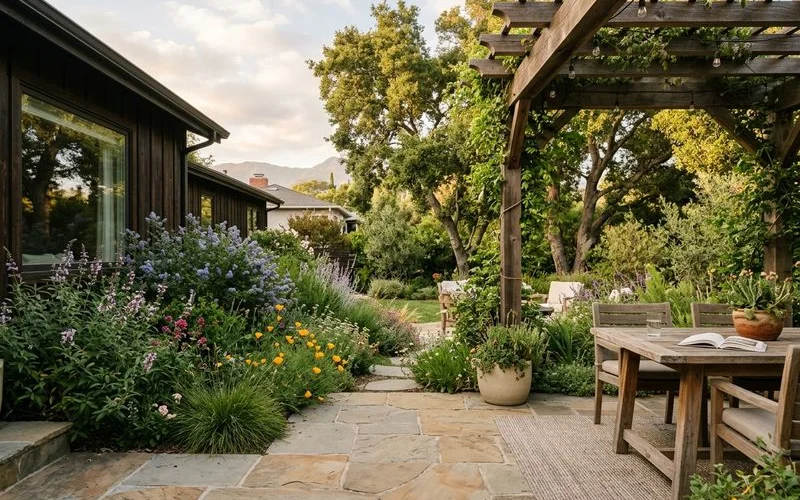
Both the softscape service and hardscape outdoor construction service at Ridgeline are managed by a single in-house team. This unified structure is exactly what makes true integration practical on every job site.
Site and Climate: What Pasadena Adds to the Equation
Landscaping in Pasadena requires managing strict municipal codes, challenging hillside topography, and aggressive water conservation mandates. Every layout decision must account for utility costs, drainage paths, and local permit thresholds.
Our area’s tiered utility rates turn outdoor water consumption into a significant budget concern. Fortunately, Pasadena Water and Power partners with the Metropolitan Water District to offer a turf replacement rebate of $2 per square foot for residential properties. Transitioning to native hydrozones and high-efficiency drip lines is the smartest financial move for managing long-term costs.
Grading and Permitting Challenges
Sloped lots demand highly specific grading plans to direct runoff away from structural foundations. Poorly graded sites quickly suffer from erosion and flooding. Yard drainage solutions, including French drains and deep dry wells, must be integrated as foundational structural elements rather than end-of-project finish details.
We handle the complex permit process as a standard part of project delivery. Pasadena’s Building and Safety department strictly reviews any plans that alter established drainage patterns. Knowing the exact threshold for engineering reviews keeps your project moving without costly municipal delays.
The Planning Process: Master Plan and Phasing
The most successful Pasadena landscape design transformations begin with a comprehensive master plan, even if the construction happens in stages. This master document locks in your final grades, structural footprints, and utility routing before a single shovel hits the dirt.
Our planning methodology prevents the expensive mistake of building a patio in year one that eventually blocks a necessary retaining wall trench in year two. A complete master plan ensures every phase builds logically upon the last.
Most large-scale remodels progress in distinct stages over several seasons. Phasing generally follows a strictly structural-first sequence:
- Phase One: Site earthwork, primary grading, and essential drainage lines.
- Phase Two: Hardscape foundations, retaining walls, and concrete flatwork.
- Phase Three: Soil preparation, softscape planting, finish paving, and lighting.
We structure quotes so you can lock in the costs for immediate structural phases while keeping finish details flexible. A front-yard drought conversion naturally sits in a lower budget tier than a terraced hillside requiring block walls and a custom kitchen.
For a thorough breakdown of how phased landscape design works in practice, review the dedicated planning guide.
Talking Through Your Pasadena Landscape Options
Ridgeline Outdoor Living executes both softscape and hardscape plans under a single, unified scope of work. By keeping design, permit coordination, and construction crews under one roof, the blueprint you approve is exactly what gets built.
Our team has spent more than two decades upgrading properties across the San Gabriel Valley. Experience has taught us how to manage a variety of local property types:
- Historic Craftsman bungalows near Bungalow Heaven.
- Expansive hillside estates in La Cañada Flintridge.
- Drought-conscious front yards throughout Pasadena.
Local knowledge is essential for managing the specific soil and slope conditions found throughout these neighborhoods.
We operate as a fully CSLB licensed, bonded, and insured contractor. Every installation is backed by a written workmanship warranty to guarantee your peace of mind. Consultations happen directly on your property so teams can assess the specific grades, identify drainage issues, and provide an accurate assessment of what the work requires.
Contact us today to schedule your free on-site consultation and begin planning your complete landscape and hardscape design.
Ridgeline Outdoor Living
845 E Walnut St, Pasadena, CA 91101
(626) 469-5822
★★★★★ 5.0 Google reviews
Frequently Asked Questions
What's the difference between softscape and hardscape?
How do you balance planting and paving in a yard?
What landscaping suits Pasadena's climate and Craftsman homes?
Do hillside yards need different design?
Do hardscape projects need permits in Pasadena?
How is a landscape project phased?
Have questions about a project of your own?
A free on-site consultation, a phased budget tier, and a master plan that fits your property and your goals.